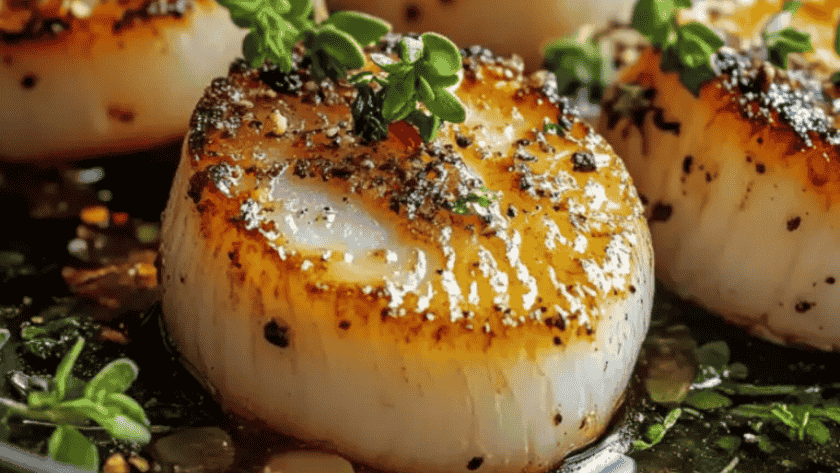
Unlocking the Golden Crust: Gordon Ramsay's Pan-Seared Scallops
There are few culinary delights as exquisite yet deceivingly simple as perfectly
pan seared scallops. When executed with precision, they transform into tender, sweet morsels encased in an irresistible golden-brown crust. This isn't just about cooking; it's about achieving a textural symphony – a delicate inside contrasting beautifully with a crispy exterior. And who better to learn this art from than the master himself, Gordon Ramsay? His approach emphasizes simplicity, quality ingredients, and meticulous technique, ensuring that every scallop delivers that signature crispy, buttery perfection.
Whether you're looking for a show-stopping dish for a celebratory dinner or a quick, elegant meal on a busy weeknight,
pan seared scallops fit the bill. They cook rapidly, making them an ideal choice for impressive results without hours in the kitchen. The key lies in understanding the core principles: starting with the right scallops, preparing them properly, and mastering the high-heat sear. Dive in as we uncover the secrets to Gordon Ramsay's renowned crispy, buttery scallops.
The Foundation of Flawless Scallops: Selection and Preparation
The journey to perfect
pan seared scallops begins long before the pan even touches the stove. Success hinges on selecting the right ingredient and preparing it impeccably. Skipping these crucial initial steps is a common pitfall that even experienced home cooks can make.
Choosing the Right Scallops: Dry-Packed is Non-Negotiable
The most vital decision you'll make is choosing between "dry-packed" and "wet-packed" scallops. This distinction cannot be overstated.
*
Dry-packed sea scallops: These are untreated and harvested without additives or added water. Their natural moisture content is lower, which is exactly what you want for searing. They will caramelize beautifully, developing that coveted deep golden-brown crust. Always seek out dry-packed scallops – they are the gold standard for searing.
*
Wet-packed scallops: These have often been treated with a phosphate solution (like sodium tripolyphosphate, or STPP) and packed in water. This treatment makes them appear plumper and heavier, increasing their shelf life and water weight. However, this excess moisture is the enemy of searing. When wet scallops hit a hot pan, they release water, effectively steaming rather than searing. The result is a grayish, rubbery texture with no golden crust. Skip these if your goal is perfection.
Beyond the packing method, aim for scallops of a similar size. This ensures they cook evenly, preventing some from overcooking while others remain underdone.
Preparation is Paramount: Dry, Dry, Dry!
Once you have your high-quality dry-packed scallops, preparation is still key. This is arguably the most critical step for achieving a crispy crust.
1.
Remove the Side Muscle: Each scallop has a small, tough adductor muscle on its side. It's easy to spot and feels slightly different – tougher and chewier – than the rest of the scallop. Simply pinch and pull it off with your fingers. While edible, it's best removed for a consistent, tender texture.
2.
Thoroughly Dry Your Scallops: This is where the magic happens. Water on the surface of the scallop will prevent the Maillard reaction (the chemical process responsible for browning and flavor development).
* Place the scallops in a single layer on a plate lined generously with paper towels.
* Cover them with another layer of paper towels and gently press down.
* Let them sit for at least 10 minutes per side. For larger scallops or if you have the time, 20-30 minutes per side (or even longer in the fridge) is even better. The drier they are, the better the sear will be. This step removes residual surface moisture, allowing the scallops to brown quickly and beautifully when they hit the hot pan.
Mastering the Sear: Equipment, Oil, and Heat
With perfectly prepped scallops in hand, the next phase involves the right tools and techniques to translate them into a culinary masterpiece. Achieving that signature crispy crust is a precise dance between your pan, oil, and heat.
The Right Pan Makes All the Difference
Not all pans are created equal when it comes to searing. For Gordon Ramsay-level results, your choice of skillet is crucial:
*
Stainless Steel or Cast Iron: These are your best bets.
*
Stainless steel heats quickly and responds well to temperature changes, allowing you to fine-tune the heat for optimal searing. Its surface promotes excellent browning.
*
Cast iron offers exceptional heat retention, maintaining a consistent high temperature even when cold food is added. This ensures a deep, even crust.
*
Can I use a nonstick skillet? While you *can* technically use a nonstick pan, it's highly discouraged for searing scallops. Nonstick surfaces are designed to prevent food from sticking, which also inhibits the formation of a deep, rich crust. You'll get some browning, but it won't be that desirable deep, golden, crispy texture.
Selecting the Best Cooking Oil
When searing at high temperatures, the type of oil you use matters. You need an oil with a high smoke point to prevent it from burning and imparting off-flavors before the scallops are properly seared.
*
Recommended Oils: Grapeseed oil, sunflower oil, canola oil, vegetable oil, or avocado oil are all excellent choices. These neutral-flavored oils can withstand the high heat required for a perfect sear without smoking excessively.
*
Amount: Use just enough oil to lightly coat the bottom of the pan. Too much oil will deep-fry the scallops rather than sear them, and too little might cause sticking.
The High Heat Advantage
The mantra for perfect
pan seared scallops is simple: high heat. A properly preheated pan is non-negotiable.
* Place your chosen skillet over high heat and let it preheat for several minutes until it's smoking slightly or a drop of water evaporates instantly. This ensures the entire cooking surface is uniformly hot.
* Only then add your chosen neutral oil. It should shimmer almost immediately. This extreme heat creates an instant crust on the scallop's surface, locking in moisture and ensuring a tender interior.
Gordon Ramsay's Searing Method: Step-by-Step Perfection
With everything prepped and your pan screaming hot, it's time for the main event. This precise method guarantees a golden, crispy exterior and a succulent, tender interior every time. For even more detailed insights into achieving that perfect sear, check out our guide on
Achieve Perfect Pan-Seared Scallops: Golden Crust Every Time.
1.
Season Liberally: Once the scallops are thoroughly dry, season them generously with salt (and a touch of black pepper if desired) right before they hit the pan. Do not season too early, as salt can draw moisture out.
2.
First Side Sear (The Critical Crust):
* Carefully place the seasoned scallops in the screaming hot pan, ensuring they are in a single layer and not overcrowded. Overcrowding will lower the pan temperature, leading to steaming instead of searing. Cook in batches if necessary.
*
Sear undisturbed for 1–2 minutes for smaller scallops (around 1-inch diameter), or 2–3 minutes for larger scallops (around 2 inches wide). Resist the urge to move them! This undisturbed time is crucial for building that deep golden crust.
* You'll know they're ready to flip when a beautiful, deep golden-brown crust has formed and the scallops easily release from the pan. If they stick, they're not ready.
3.
Second Side and Butter Basting:
* Flip the scallops over. Immediately add a few pats of unsalted butter to the pan.
* If using fresh aromatics like thyme, rosemary, or tarragon, add them now to infuse the butter.
* As the butter melts and foams, begin spooning it over the cooking scallops. This basting infuses them with rich buttery flavor and ensures even cooking.
* Cook for another 1–2 minutes, depending on the size. The second side requires less time as the goal is to finish cooking the interior while lightly browning the other side.
* The scallops should be mostly opaque but still slightly translucent in the very center – this indicates they are perfectly cooked and not rubbery. Overcooked scallops become tough and lose their delicate sweetness.
This technique is a cornerstone of professional kitchens for a reason. For further guidance on fine-tuning your searing skills, explore our article on
Mastering Pan-Seared Scallops: Key Tips for a Flawless Sear.
Beyond the Sear: Quick Pan Sauce and Serving Suggestions
While the perfectly seared scallop is a star in its own right, a simple pan sauce can elevate the experience and add another layer of flavor.
Building a Quick, Flavorful Pan Sauce
After you remove the scallops from the pan, don't discard those browned bits (fond) – they're packed with flavor!
1.
Deglaze: Add a splash of white wine, chicken broth, or even just lemon juice to the hot pan. Scrape the bottom with a wooden spoon to release all the flavorful fond.
2.
Reduce: Let the liquid reduce slightly, concentrating the flavors.
3.
Enrich: Swirl in a final knob of unsalted butter and a squeeze of fresh lemon juice for brightness.
4.
Finish: Stir in fresh chopped herbs like parsley or chives. Pour this luscious sauce directly over your scallops.
Serving Your Gordon Ramsay-Inspired Masterpiece
Gordon Ramsay's
pan seared scallops are versatile and pair beautifully with a range of accompaniments:
*
Simple Elegance: A light squeeze of fresh lemon juice and a sprinkle of flaky sea salt are often all that's needed.
*
Creamy Counterpart: Serve alongside a smooth parsnip or celery root purée for a luxurious contrast.
*
Fresh & Bright: A bed of crisp mixed greens with a light vinaigrette provides a refreshing balance.
*
Heartier Fare: Pair with a saffron risotto, a light pasta with cherry tomatoes, or perfectly roasted asparagus.
Always serve your scallops immediately. They are best enjoyed hot, right off the pan, to savor their delicate texture and crispy crust.
Conclusion: The Reward of Precision
Mastering Gordon Ramsay's approach to
pan seared scallops is about embracing precision and understanding the science behind simple techniques. From choosing dry-packed scallops and drying them thoroughly, to using the right pan and searing at high heat, each step contributes to that unforgettable crispy, buttery result. This isn't just a recipe; it's a culinary lesson in transforming a humble ingredient into a restaurant-quality dish in minutes. By following these expert tips, you'll consistently achieve scallops with a beautiful golden crust and a tender, sweet interior, proving that elegance and deliciousness can indeed be quick and achievable in your own kitchen.